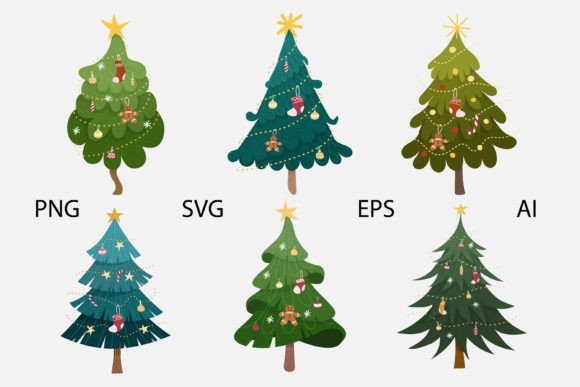
A Real Designer’s Take on the Christmas Trees Collection
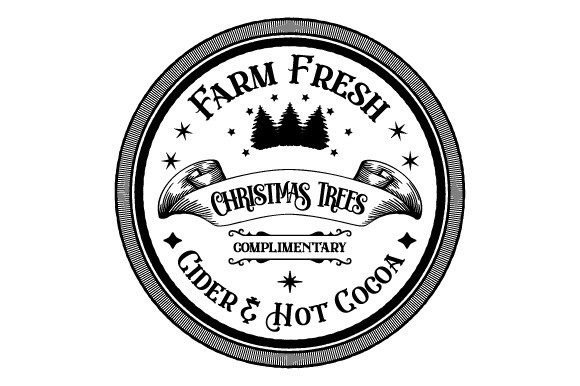
When a new design lands on my desk, I don't just look at the screen. I picture it stitched out. I imagine it on a sweatshirt, a tote bag, a baby blanket. The Christmas Trees Collection is exactly that kind of design—a set of illustrations that immediately sparks project ideas. It’s not just clipart; it’s a toolkit for the holidays. My first impression was one of quiet, classic charm. These aren’t hyper-realistic, overly detailed trees. They’re flat, hand-drawn, and carry a gentle, almost nostalgic personality. That’s a huge advantage in embroidery. Too much detail can become a muddled mess of stitches. This collection feels like it was drawn with an understanding of how thread moves.
Where This Design Finds Its Home
Let me walk you through a real scenario. Last week, I was planning a custom gift for a client: an embroidered linen apron for a holiday host. They wanted something festive but not kitschy. I opened this collection and knew it was perfect. The clean, illustrative style translates beautifully to functional items like aprons, pillow covers, and kitchen towels. The shapes are distinct enough to read clearly from a distance, which is crucial for items like tote bags at a craft fair or caps for a small shop.
I see this collection thriving on a range of surfaces. For custom apparel, like a simple t-shirt or a cozy sweatshirt, a single tree becomes a subtle, stylish holiday touch. On a baby’s sweater or nursery decor, the softer aesthetic feels warm and welcoming, not overwhelming. For personalized gifts—think a monogrammed tea towel with a small tree beside the name—it adds that special, handmade presentation. As a small business owner myself, I can also see these designs used in printable mockups for digital product listings or as part of boutique branding on packaging. The fact that the product description mentions use for paper products and sublimation tells me the vector quality is likely good, which is a bonus for creating cohesive brand assets across physical and digital products.
The Practical Stitching Considerations
Now, the real-world embroidery test. Hand-drawn, flat graphics are generally friendly to machine embroidery files. The outlines are typically clean, which can mean nice, crisp satin stitches for borders or simpler running stitches if you choose a more minimal approach. The likely moderate stitch density should prevent issues on thinner fabrics like standard t-shirts, as long as you use the proper stabilizer. However, this is where a designer’s experience kicks in.
Where you should proceed with a bit more care: If you’re thinking of scaling any design down dramatically for a very small hoop size, say on a cap’s curved side panel or a tiny patch, you need to check those small details. Some illustrative elements might lose their definition when minimized. Always test on scrap fabric first, especially if you’re working with textured fabrics like a sweater knit or stretchy fabrics. Also, consider thread color contrast. These trees, with their solid forms, will shine on both light and dark backgrounds, but the choice of thread will define their mood. A classic green on white is timeless, but a gold thread on navy fabric could feel luxe and modern.
How a Design Like This Impacts Your Craft Business
Beyond the stitch, a design influences your product’s perceived value. When a customer sees a clean, well-executed embroidered tree on a product, it communicates professionalism and care. It builds customer trust. For an Etsy seller or someone creating holiday embroidery for a craft fair, this collection offers versatility. You can create a whole line of coordinated finished products—totes, aprons, pillows—that feel consistent, strengthening your brand consistency. That’s a smart business move.
The visual appeal here is approachable and giftable. It’s not so niche that it would only appeal to a specific taste; it’s holiday recognition without being cliché. That broad appeal is key for buyer engagement in a crowded holiday market. Whether you’re making personalized gifts for friends or commercial embroidery projects for your shop, the design’s clarity and pleasant aesthetic help the final product feel intentional and well-made.
A Few Final Notes from the Worktable
Before you run this embroidery file on your final project, do your due diligence. First, check the licensing terms. The product is categorized under Illustrations and Graphics. You must confirm whether the license permits use for commercial embroidery and selling the finished product, or if it’s for personal use only. Never assume.
Second, test it in black and white mockups on your computer. This helps you visualize the shape without color distracting you. Does the silhouette hold up? Third, inspect small details in your embroidery software. Are there any tiny corners or gaps that might cause stitching issues? And finally, think about the product’s life. If you’re embroidering on something that will need frequent washing, like a kitchen towel or baby item, a design with moderate density and secure stitches will hold up better over time. The Christmas Trees Collection, from its aesthetic, seems poised to handle that kind of everyday use beautifully.
In essence, this collection is a solid, practical choice. It doesn’t scream with flashy hype; it quietly offers a reliable foundation for a wide array of embroidery projects. It feels like a design you can trust to come out of the hoop looking exactly as you hoped—clear, charming, and ready to make someone’s holiday a little more special.