Evaluating a Christmas Tree Graphic for Real Small Business Projects
The Initial Mood of This Design Asset
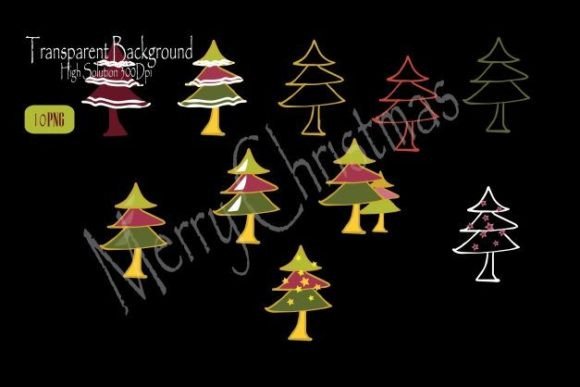
My first impression of the Christmas Tree Graphic is a welcoming, festive mood that leans into playful decoration rather than stark minimalism. It suggests a brand personality that is friendly, approachable, and deeply seasonal. For a local business, this asset feels handmade and organic, evoking warmth over cold corporate precision. It’s inherently festive and decorative, making it an excellent fit for businesses like a neighborhood bakery, a craft candle maker, a home decor shop, or a boutique selling children’s products. The style isn’t overly premium or luxury, but it carries a soft elegance that can elevate a simple product label or packaging accent.
Where This Illustration Thrives in Local Business Branding
For a real project, like branding a seasonal line of handmade soaps or holiday cookies from a local bakery, this graphic design asset becomes a versatile tool. Its strength lies in application across multiple touchpoints. I would consider it for product labels as a primary hero graphic or a subtle background pattern. It can serve as the central visual for packaging design—think on a gift box lid or a coffee bag. For promotional materials, it’s ideal for thank-you cards, hang tags, stickers, and menu graphics for a holiday pop-up café. Social media graphics and website banners for a festive campaign gain immediate cohesion when anchored by this consistent illustration.
Building a Cohesive Seasonal Identity
Using this Christmas Tree Graphic across different materials builds a stronger, more consistent brand identity for a short-term campaign. A customer encountering the same visual on a florist’s shop window poster, their product packaging, and their Instagram post develops quicker product recognition and a stronger emotional connection to the seasonal story. This consistency directly improves customer trust; it shows a polished, thoughtful approach rather than a haphazard collection of mismatched clipart. For shelf appeal in a small boutique, a cohesive label or tag featuring this asset makes a product look more professional and intentionally designed.
Practical Applications for Packaging and Promotion
Let’s break down specific use cases. For product mockups, this illustration can be applied to mockups of coffee mugs, cushions, or t-shirts for a local market stall, creating compelling promotional visuals. As a printable design, it works beautifully for flyers, price lists, and business cards for a holiday market vendor. In digital spaces, it anchors email headers and promotional ads. For a skincare brand launching a limited holiday scent, this graphic could become a decorative border on the product label, enhancing the visual hierarchy by framing the product name without competing with essential text like ingredients.
- Hero graphics on main product packaging or web banners.
- Decorative brand elements repeated on thank-you notes and tissue paper.
- Promotional banners for in-store signage or online sales.
- Seasonal packaging overlays for existing box designs.
- Boutique visuals for window displays and shelf tags.
- Social media campaign graphics unifying posts across platforms.
Where to Apply This Asset with Care
While versatile, this Christmas Tree Graphic requires careful application in certain contexts. It should not be forced into formal corporate branding where a minimalist logo is required. On very small labels, such as on a tiny spice jar, the detail might become lost or muddy. Avoid placing it on crowded product packaging already dense with text; the decoration could compete with important information like usage instructions or legal disclaimers. Similarly, on low-contrast backgrounds, the asset might fail to stand out. For a luxury minimalist brand seeking a sleek holiday look, this decorative illustration might feel too ornate. The key is to let it support, not overwhelm, the core communication.
Spaces Where Decoration Can Distract
- Ingredient-heavy layouts on food labels.
- Legal information areas on packaging.
- Primary logo spaces for year-round identity.
- Very text-dominant areas like terms and conditions.
A Brand Designer’s Practical Checklist Before Use
Before committing this asset to a client’s project or your own business branding, run through these practical steps. First, always confirm the commercial license allows use for physical product sales and client work. Then, test it on real packaging mockups—see how it looks on a coffee cup or candle box at actual size. Preview it on small labels to ensure detail holds up. Check its usage in black and white for any potential print scenarios where color isn’t available. Test it alongside your brand’s typography; see how it pairs with a serif font for elegance, a sans serif for modernity, a script font for whimsy, or a handwritten font for authenticity.
If the file is an SVG design, inspect the vector editability—can you easily adjust colors to match your brand palette? For PNG designs, review the transparency quality to ensure clean edges on varied backgrounds. Compare it visually with competitor packaging to gauge its uniqueness and shelf appeal. Finally, assess the print quality by examining the file resolution at your intended output size. This due diligence turns a creative marketplace download into a reliable commercial design asset.
The Final Value for Creative Entrepreneurs
For the small business owner, the marketer, or the packaging designer, this Christmas Tree Graphic offers more than just a festive picture. It provides a foundation for a seasonal brand identity that can be deployed consistently across print and digital mediums. This consistency is what builds a stronger first impression, leads to better product recognition, and results in more polished marketing visuals. It allows a local bakery’s holiday cookie box to feel special, a handmade soap business’s seasonal launch to look professionally branded, and a florist’s December social media to tell a cohesive visual story. In the hands of a thoughtful designer, it becomes not just an illustration, but a tool for building customer trust and emotional connection through deliberate, beautiful design.