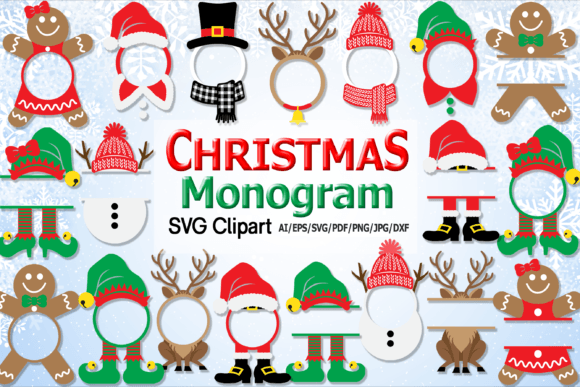
Evaluating Gingerbread Christmas Graphics for Client Projects
When a seasonal design asset like Gingerbread Christmas lands on my screen, my first thought is always about its emotional impact. This isn't just an illustration; it’s a visual mood-setter. Immediately, I sense a warm, nostalgic, and playful holiday spirit. The style leans towards charming, handcrafted illustration, brimming with personality. It feels perfect for clients who want their branding to exude cheer, approachability, and a touch of whimsical tradition.
The Perfect Fit for Seasonal Branding and Products
In my current scenario, I’m developing a holiday campaign for a local bakery that also sells handmade ornaments online. They need a cohesive look across their Etsy shop, social media, and in-store signage. Gingerbread Christmas arrives as a potential cornerstone graphic. Its inherent warmth directly supports the brand’s story of tradition and craftsmanship. For this kind of handmade business or small business branding, the asset isn't just decoration; it becomes a key part of the brand identity during the festive season.
Real-World Applications: From Packaging to Social Media
Let's break down how this graphic design asset performs in concrete project areas. For packaging design, such as on cookie boxes or ornament tags, the detailed illustration adds immense perceived value. It transforms a simple label into a giftable item. On a tote bag or t-shirt design for merchandise, it creates an instantly recognizable and desirable product. In marketing visuals like posters or flyers for a seasonal market event, it establishes the theme effortlessly.
For digital use, it’s equally powerful. As a hero graphic on a website’s holiday landing page, it sets an inviting tone. Cropped elements work beautifully as decorative accents for blog visuals or editorial design within a holiday recipe post. For social media graphics, especially Instagram posts and Pinterest pins aimed at crafters and holiday shoppers, its visual richness drives engagement. It can also serve as a foundational element in Canva templates I might build for the client’s team to use.
Where Gingerbread Christmas Excels as a Design Asset
This illustration truly shines in certain applications. It is ideal for large layout areas where its details can be appreciated, like on posters or as the focal point of a product mockup. It works wonderfully for creating themed collections—think a series of stickers, cards, and mugs all featuring the design, building a strong visual campaign. It’s excellent as a decorative layer on packaging details or as a standalone printable design for wall art. In these roles, it improves the polish and emotional appeal of the entire project.
Considerations for Visual Hierarchy and Professionalism
However, as with any rich illustration, careful application is key. Used in very small sizes, such as on a business card or as a tiny icon, the fine details may become lost and muddy, harming readability. In crowded layouts with lots of text and other elements, it can overwhelm the visual hierarchy and feel chaotic. Placed on complex or low-contrast backgrounds, its impact diminishes. While perfect for festive, niche, or consumer-facing brands, it would feel out of place in minimalist branding or for professional corporate materials requiring a very clean, modern design aesthetic.
The design strongly influences the final impression. It builds visual trust and recognition for a brand aiming for a cozy, festive feel. It directly boosts audience engagement through its inherent charm. Yet, the professionalism comes from how I, as the designer, integrate it. It must support, not dominate, the overall message.
Practical Designer Checks Before Client Delivery
Before committing Gingerbread Christmas to a real client project, I run a series of tests. First, I preview it in black and white to ensure its forms hold up without color, crucial for any print contingency. I check its contrast on both light and dark backgrounds to guarantee legibility in various applications. I place it on actual product mockups—a mug, a shirt, a poster—to see how it scales and feels in context.
I review the provided file formats meticulously. The AI and SVG files are invaluable for vector editability, allowing me to tweak colors or separate elements for a custom logo design or sublimation design. The transparency of the PNG is essential for seamless overlays in web design or digital ads. I always confirm the commercial license terms; using it for a client’s print-on-demand line or commercial product is only possible with clear, legal permission.
Integration with Typography and Final Composition
A final, crucial step is testing it with typography. How does Gingerbread Christmas pair with a serif font for a traditional invitation? Does it clash with a clean sans serif for a more modern holiday sale banner? Does it complement a playful script font for a product label? This comparison determines if the asset will harmonize or fight with the text. Only after all these checks—scale, contrast, format, license, and typography pairing—can I confidently recommend this digital product for the project. It then becomes a reliable, joyful component in my toolkit for seasonal creative design, helping a brand’s holiday story feel cohesive, polished, and full of genuine cheer.