Cartoon Christmas Lights: A Cozy Embroidery Design Review
Whenever a new embroidery design hits my desktop, I ask myself a simple question: will it stitch beautifully? Today, I’m looking at Cartoon Christmas Lights with Socks, a charming illustration that promises holiday cheer. As someone who stitches for clients and my own small shop, I don’t just see a graphic; I envision it on fabric, on products, and in the hands of customers. Let’s walk through that practical judgment.
The First Glance: Whimsy and Warmth
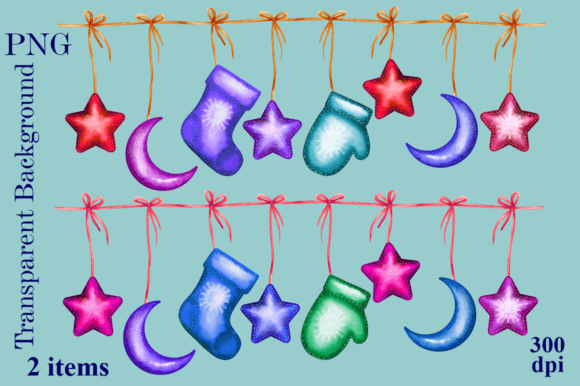
Immediately, this design creates a mood. The hand-painted, watercolor style gives it a soft, cozy personality—perfect for projects aiming for a gentle, nostalgic holiday feel rather than bold, commercial glitz. The cartoon lights with little socks hanging from them, paired with stars and a moon, suggest a child-friendly, playful theme. The shapes are clear and the layout feels balanced, with enough detail to be interesting but not so dense that it would become a stitching nightmare. This isn’t a design for a corporate logo; it’s for projects where warmth and handmade charm are the selling points.
Where This Design Naturally Belongs
In my mind, I’m already picturing it stitched onto a cozy fleece blanket for a nursery, or as a central motif on a child’s holiday sweatshirt. The transparent background is a huge plus here, making it versatile for any fabric color. It would shine as a personalized gift—think a custom embroidered pillow cover for a grandmother, or a simple, sweet decoration on a kitchen towel for a holiday boutique product. For Etsy sellers and small shop owners, this design could anchor a whole line of seasonal items: tote bags, aprons, or even a series of embroidered patches for crafters to apply themselves.
Stitching It Into Reality: Performance Considerations
When I evaluate for real-life embroidery projects, I think about the stitch. The watercolor illustration style likely means soft gradients and blended color areas. In embroidery, this translates to careful thread color selection and potentially using fill stitches with varied density to mimic that painterly effect. The larger, simpler shapes like the socks and bulb outlines will stitch cleanly with satin or running stitches, offering good clarity.
I would confidently use this on custom apparel like sweatshirts and t-shirts, as well as sturdy items like tote bags and pillow covers. For baby clothes or blankets, the friendly theme is ideal, but I’d be mindful of fabric texture—choosing stable, soft fabrics to ensure the design holds up. The design’s visual appeal is high for holiday gifts and personalized products, adding perceived value and a professional, finished look that builds customer trust.
Proceed with Care in These Scenarios
Some applications require more thought. On very small hoop sizes, the smaller details like the stars might lose definition. Embroidering on dark fabric requires brilliant thread color contrast to keep that light, watercolor feel—test it first. Stretchy fabrics or thin materials will need the right stabilizer to prevent distortion. Applying it to curved surfaces like caps might require adjusting the layout slightly to fit the curve without compromising the charming layout. And for items destined for frequent washing, such as kitchen towels, a robust stitch density and quality thread are non-negotiable to maintain that handmade presentation over time.
The Business Angle: From File to Finished Product
For creative entrepreneurs, this embroidery design is a versatile asset. It can elevate a simple product into a seasonal bestseller. Using it in printable mockups for your online shop can immediately communicate a cozy, crafted brand consistency. Its recognition factor—Christmas lights are universally beloved—helps with buyer engagement. However, the key step for any digital embroidery file is confirming the licensing before selling finished items or incorporating it into commercial embroidery projects. The product description mentions use for children’s plays or posters, so clarify its terms for stitched, physical products.
A Real Project Walkthrough
Let’s imagine a specific case: I’m preparing a custom embroidered tote bag for a holiday market. I choose a natural canvas fabric. Cartoon Christmas Lights with Socks becomes the focal point. I test it on scrap fabric first, checking how the moon’s soft fill stitch interacts with the canvas texture. I review my thread palette to ensure the watercolor illusion pops. I confirm my hoop size can accommodate the entire design without crowding. The result? A product that feels gift-ready, professional, and uniquely handmade—not just another generic holiday bag. That’s the practical power of a well-chosen design.
Essential Designer Notes Before You Hoop
My final advice is always practical. For this design:
- Always test on a scrap of your target fabric first.
- Check thread color contrast, especially if moving from a light to a dark background.
- Review the stitch density in the file to ensure it suits your fabric weight.
- Inspect the small details (like star points) in a preview to ensure they’ll stitch cleanly.
- Consider testing the design in a black-and-white mockup to evaluate its form without color.
- Compare how it looks conceptually on both light and dark backgrounds.
- Use a proper stabilizer suited to your project; this isn’t a step to skip.
- Finally, confirm the design’s suitability for both personal and commercial projects to align with your goals.
Cartoon Christmas Lights with Socks has that special blend of whimsy and warmth that translates well into the world of thread and fabric. For embroidery designers, small business owners, and makers looking for a holiday design that feels both cozy and commercially viable, this illustration offers a strong foundation. Approach it with a mindful, practical eye, and it can light up your next project beautifully.