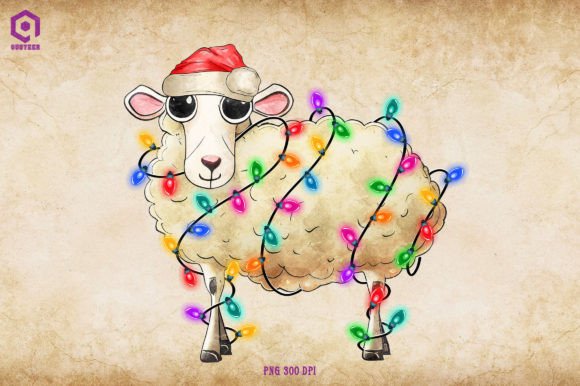
Sheep Christmas Tree Lights: A Design Review for Embroidery
There’s a difference between seeing a graphic on a screen and imagining it stitched onto fabric. As a designer who turns digital files into physical products, my first question is always: how will this live in the real world? Let’s talk about the Sheep Christmas Tree Lights design from that practical perspective.
The First Impression: Whimsy Meets Tradition
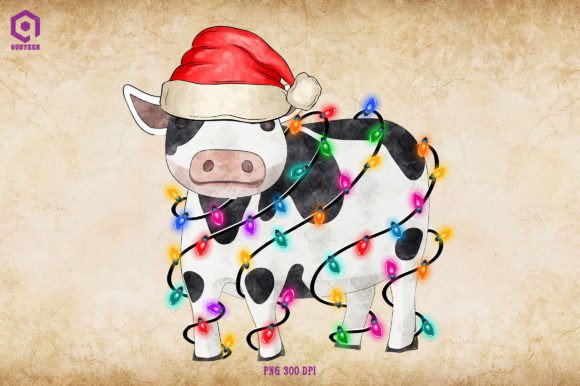
Opening the file, the charm is immediate. It’s not just a Christmas tree; it’s a character. A sheep adorned with festive lights creates a mood that’s both nostalgic and playful. This isn’t a generic holiday graphic—it’s a story. The shape is clear and friendly, with a level of detail that suggests good stitch definition. Visually, it sits perfectly in that sweet spot between illustrative and embroidery-ready. You can already picture it on something meant to evoke warmth and a smile.
The Natural Habitat: Where This Design Belongs
In my studio, I’m thinking about a custom order for a holiday-themed tote bag. A client wants a unique, giftable item for her boutique. Sheep Christmas Tree Lights feels like a perfect fit. It has that handmade, boutique-quality personality. Beyond totes, it naturally extends to sweatshirts for a cozy family uniform, baby items for a festive nursery, or a simple embroidered patch that could become a stocking decoration. It’s a strong candidate for personalized holiday gifts—think aprons, pillow covers, or kitchen towels for that personal touch. For small shop merchandise, especially on platforms like Etsy, this design adds value through its distinct character, helping a product stand out in a crowded holiday market.
Performance on Fabric: Thinking Through the Stitch
When evaluating for real-life embroidery, I consider how the elements will translate. The sheep’s body and the tree outline are likely areas for a clean satin or fill stitch, creating solid blocks of color. The string of lights, with their small, circular bulbs, will be the test of clarity. On a stable fabric like a cotton tote or a quilted pillow cover, with proper stabilizer, those details should pop beautifully, creating that sparkling effect. On a stretchy fabric like a sweatshirt or a curved surface like a cap, extra care is needed. The density in those smaller light areas needs to be balanced to prevent puckering.
I always advise: test on scrap fabric first. Run this embroidery file on the actual material you plan to use. Check the thread color contrast, especially if you’re straying from the implied palette. A dark navy sweater might need lighter, brighter threads for the lights to shine, while a light linen would carry the original colors well. Inspect those small details after stitching. Does the sheep’s face retain its expression? Do the lights look intentional, not blurry?
A Note on Visual Appeal and Professionalism
Using a design with this much personality impacts the perceived value of your finished product. It feels intentional and crafted, which builds customer trust and elevates a simple item into a gift. For a craft business, consistency matters—this design could become part of a holiday collection, strengthening your brand’s visual story. Its giftability is high; it’s recognizable yet unique, which engages buyers looking for something beyond a standard “Merry Christmas” logo.
Careful Application: When to Proceed with Caution
Not every project is ideal. The charm of Sheep Christmas Tree Lights relies on clean lines and detail. On very textured fabrics like some blankets, the finer elements might get lost. In a very small hoop size, the design might need simplification to maintain integrity—those tiny bulbs could become dense stitch clusters. If the design includes very fine lettering (like a subtle “merry christmas”), test it extensively on curved surfaces like caps.
For products destined for frequent washing, like baby clothes or kitchen towels, ensure the stitch density is not too high in any one area to maintain durability. Always use the appropriate stabilizer for the fabric type. And crucially, for any commercial embroidery project or digital product sale, confirm the licensing of this graphics asset before proceeding. Know if you’re cleared to sell the finished embroidered items or use it in printable mockups for your shop.
Practical Designer Notes for Your Project
Before you commit this design to a hoop for a client order, here’s my checklist. Run a test on both a light and dark background scrap to judge color contrast. Check the file in a black and white mockup to evaluate pure shape and composition—does it hold up without color? Assess the overall layout; does it have a natural balance that will look good on the intended product, like the center of a tote bag or the left chest of a sweatshirt?
- Plan your thread colors. The sheep suggests a soft white or grey, the tree a deep green, and the lights a mix of festive brights.
- Consider fabric texture. Smooth cottons and linens are your safest, high-detail bet.
- Match the hoop size to the design’s scale and your product’s available space.
- Ask yourself: is this for a personal gift or a commercial product? Your approach to perfectionism might differ.
- Finally, step back and imagine it stitched. Does it feel like it belongs on that apron, that baby blanket, that holiday patch? If yes, you’ve found a design with real project potential.
The Sheep Christmas Tree Lights design, when viewed through the lens of an embroidery maker, offers a delightful blend of thematic charm and practical application. It invites a story onto fabric, and with careful preparation, it can become a standout element in your handmade repertoire, whether for a single special gift or a line of holiday merchandise. Its success lies not just in the graphic itself, but in how thoughtfully you translate it from screen to stitch.