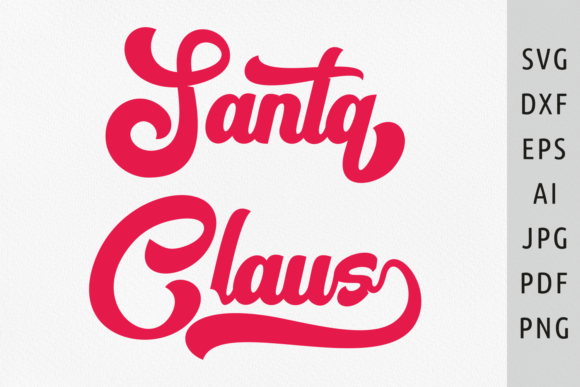
How Santa Claus Embroidery Designs Work in Real Projects
Let’s talk about a classic: Santa Claus designs. This retro Santa SVG I’m reviewing today is a digital graphics file packaged for embroidery software. I wanted to see if it lives up to its promise in the real, messy, wonderful world of making things with thread. So, I took it into my software, pulled out my hoop, and thought about what this design means for your next embroidery project.
The Immediate Mood of a Retro Santa Claus
The first impression is key. This isn’t a hyper-modern, slick Santa. It’s a retro illustration. That means it likely has a softer, perhaps more nostalgic personality. For an embroidery designer, that translates to a mood. It feels warm, traditional, and friendly. When I look at the shape and layout, I’m thinking about how those lines will become stitches. The detail level here is crucial—it needs to be clear enough to embroider well but not so intricate that it becomes a nightmare on textured fabrics.
This visual personality naturally belongs to cozy projects. It’s the kind of design I’d instinctively choose for a holiday gift, a family heirloom piece, or merchandise for a boutique that values a handmade, vintage feel. It wouldn’t feel right on a high-tech athletic jacket, but on a woolen tote bag or a classic apron? Perfect.
From Digital File to Stitched Reality
Here’s where the practical judgment starts. I imagined a real-life scenario: preparing a custom embroidered sweatshirt for a client’s holiday shop. I loaded the Santa Claus embroidery file into my software, thinking through the stitch-out.
The design’s performance hinges on its vector nature. A good vector file should scale cleanly, which is vital for embroidery. You might use it small on a baby’s beanie or large across the back of a hoodie. But scaling isn’t just about size; it’s about stitch density. A design scaled too large can become sparse and weak; scaled too small, details can get lost, especially tiny lettering if “Merry Christmas” is included. On items like pillow covers or tea towels, where the surface is flat and stable, it should stitch out beautifully. On curved surfaces like caps, you need to pay extra attention to how the design’s layout adapts to the curve.
Where This Santa Design Shines
For machine embroidery, this retro Santa is likely a winner on certain products. Think of sturdy, stable fabrics: cotton tote bags, canvas aprons, heavyweight sweatshirts, and linen pillow covers. These provide a solid base for the fill stitches and satin stitches that will bring Santa to life. It’s ideal for holiday gifts that feel special—a personalized kitchen towel or a nursery decor piece for a December baby. As a craft business owner, this design could become a staple in your Etsy listings or craft fair products. Its classic appeal boosts product value and recognition, making it a trustworthy choice for customers seeking that handmade presentation.
Where You Need to Be Careful
Now, the cautionary notes. Every designer has them. This design, with its likely illustrative details, might be tricky on small hoop sizes. Trying to cram it onto a tiny patch for a baby’s sweater? Test first. Dark fabric is another consideration—you’ll need excellent thread color contrast to make those retro features pop. Stretchy or thin fabrics, like certain t-shirts, demand a robust stabilizer strategy to prevent puckering, especially in dense stitch areas.
And let’s talk about products that need frequent washing. An embroidered blanket or child’s item with this design will be laundered often. The stitch density and thread choices must be durable. Decorative accents should be secure. These aren’ drawbacks of the design itself, but realities of embroidery that you must plan for when using any digital embroidery file.
The Impact on Your Business and Clients
Using a design like this isn’ just about the stitch-out; it’s about the entire experience. How does it affect customer trust and buyer engagement? A well-executed, classic Santa on a high-quality sweatshirt feels professional and giftable. It reinforces brand consistency for a small shop specializing in holiday merchandise. For digital product sellers, this SVG could be a valuable design asset for creating printable mockups or commercial embroidery projects for others.
However, the commercial use is a critical point. The product description notes it’s suitable for software like Cricut Design Space and Silhouette Studio. But I must advise you, as a fellow maker, to confirm the licensing terms before selling finished items. Does it allow for commercial use of the embroidered product? Always check. This step protects your craft business and ensures professionalism.
A Designer's Practical Checklist Before You Hoop
Before you commit this Santa to your final fabric, here’s my routine. It’s how I avoid disappointment and ensure a beautiful finished product.
- Test on Scrap Fabric First: Always. Use the same fabric and stabilizer as your final project. See how the fill stitches lay down.
- Check Thread Color Contrast: Run a test in both light and dark fabric backgrounds. Does Santa’s face detail hold up on a black sweatshirt?
- Review the Layout for Your Product: Will the design’s shape fit nicely on a curved cap? Does it leave enough negative space on a tote bag?
- Inspect Small Details: Zoom in on your software. Are there any tiny corners or lines that might not translate well to stitches?
- Confirm Your Hoop Size: Ensure your machine’s hoop can accommodate the size you intend to stitch.
- Consider Stabilizer: Match the stabilizer to your fabric texture—no one likes a puckered Santa.
- Black and White Mockup: Sometimes, viewing the design without color helps you see the pure structure of the embroidery file.
Embroidery is a blend of art and engineering. A digital file like this Santa Claus SVG is the blueprint. Your skill and these practical preparations are the construction. When paired thoughtfully, they create something that delights—a custom apparel item, a cherished personalized gift, or a small shop product that sells with confidence. This retro Santa has the potential to be a holiday star in your embroidery project lineup, provided you give it the thoughtful, real-world testing it deserves.